

Swollen feet? How wide fit shoes can help
Swollen feet are something many people experience from time to time. They can feel heavy, sore and make it difficult to find shoes that do not feel tight. It is not about finding one perfect shoe, but about choosing details that give your feet more room and comfort throughout the day.
Wide fit shoes are designed with extra room, especially around the forefoot. This provides more space when feet swell and can make a noticeable difference to everyday comfort. Many people find that pressure is reduced and that it becomes easier to walk and stand for longer when shoes do not squeeze.
In this guide, you will find a simple explanation of why feet can swell, how shoes affect comfort, and why wide fit can often be helpful when you need extra room.
Why do feet become swollen?
Swollen feet can happen for several reasons, and some periods are simply more noticeable than others. The most common causes can be heat, pregnancy, arthritis and fluid retention, for example after many hours of standing or sitting.
When the body holds more fluid, feet may feel more tender, and your shoes can suddenly feel smaller even though the size is the same.
Why can wide fit often help with swollen feet?
When feet swell, they do not only change in size, they also become wider. Regular shoes can quickly start to feel tight, especially around the forefoot and toes. Wide fit shoes are designed with extra room exactly where many people feel pressure and discomfort.
The wider fit allows the foot to expand more naturally during the day without being squeezed. For many people, this means less pressure, fewer pressure points and a more comfortable feeling when walking or standing for longer periods.
Wide fit is not about making the shoe feel large, but about giving space in the right places. This can create more comfort for the feet and make everyday life easier when swelling happens often.
Inspiration: 3 styles with room and comfort
Sandals
Sandals can feel especially comfortable in warmer periods because they provide airflow and less pressure. Adjustable straps make it easier to adapt the fit when feet swell.


Sneakers
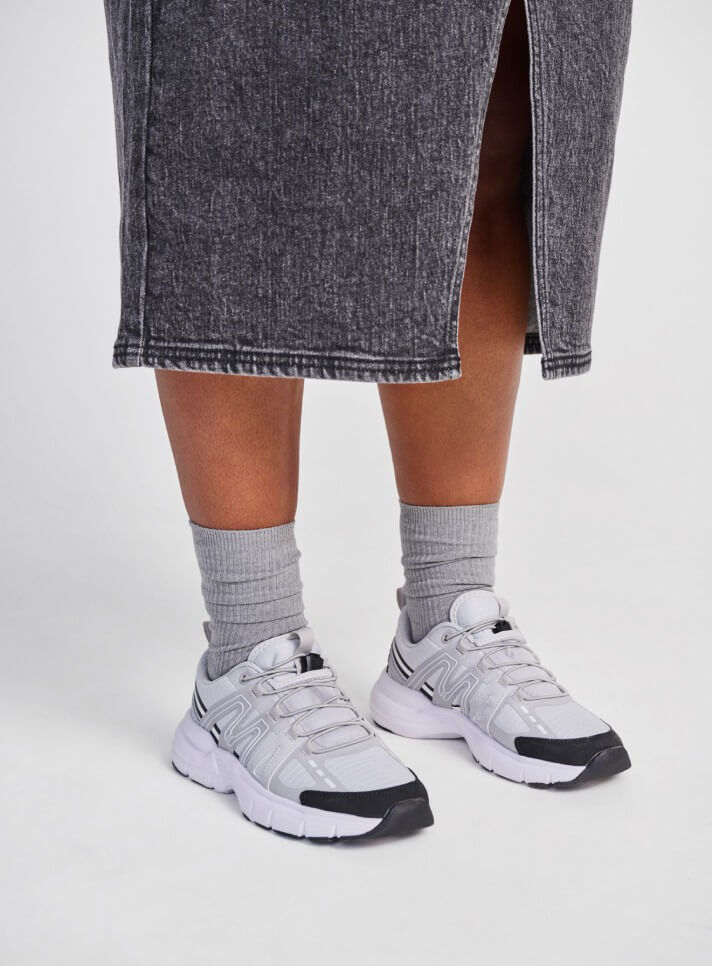
Sneakers can be a great everyday option because laces make it possible to adjust the fit throughout the day. Cushioned insoles and shock-absorbing soles can also provide extra comfort.


Boots
With boots, elastic panels and zips can make them easier to adjust and easier to put on and take off. Styles with wider shafts may also feel more comfortable if both feet and legs swell.


5 things to look for in shoes for swollen feet
1. Adjustability:
Laces, velcro or adjustable straps make it easier to adapt the shoe when your feet change during the day.
2. Breathability:
Materials such as leather and mesh can help with ventilation and comfort, especially in warm weather.
3. Support and cushioning:
Arch support and shock absorption can provide better weight distribution and less soreness when feet feel tired.
4. Flexibility:
Elastic panels or flexible soles can make the shoe more forgiving when the foot swells.
5. Room in the forefoot:
Extra space around the toes and forefoot can reduce pressure and create more comfort for the feet.
Wide fit shoes with removable insoles
If your feet vary in swelling, shoes with removable insoles can be an extra flexible solution. Some people use insoles for more support, while others find that changing the insole or adjusting it can create more room when needed.
Shoes with laces, velcro or elastic can also make it easier to adjust the fit when your feet change during the day.

Frequently asked questions about shoes for swollen feet
Should I choose a larger shoe size for swollen feet?
Not necessarily. It is often more about width and roominess than length. Wide fit or extra wide fit can provide extra space without making the shoe too long. It can be a good idea to try shoes on later in the day when feet are usually most swollen.
What if my wide fit shoes feel too roomy?
If the shoes feel too wide, insoles can be a good solution. A soft or anatomical insole can provide extra support and stability without removing space around the forefoot.
Which materials are best for swollen feet?
Soft and flexible materials such as leather, mesh or knit can adapt better to the foot and reduce pressure and rubbing, especially when feet swell.
Can insoles help if my feet swell?
For some people, insoles can provide extra comfort and support. The most important thing is that they do not add extra pressure, but support the fit and weight distribution.