

Guide: Tips for
Washing Knitwear
Knitwear is a staple in many wardrobes, from soft jumpers and cardigans to knitted trousers and dresses. Depending on the material, colour, and fit, knitwear can be worn all year round and styled both casually and elegantly.
However, knitwear is often made from natural or delicate fibres that require extra care. Incorrect washing or drying can cause knitwear to shrink, lose its shape, or become stiff and pilled.
In this guide, you'll find general advice for washing and drying knitwear. Always follow the care label on your clothing, as it shows how your specific knitwear should be treated. The tips below offer guidance to help you take the best possible care of your knitted favourites.
How to Wash Your Knitwear
No matter what material your knitwear is made of, three basic tips make a big difference:
1. Always Check the Care Label
The care label in your clothing is your most important guide. Here you can find out if the knitwear can be machine washed, hand washed, or only dry cleaned. The material, type of knit, and any details like buttons or embellishments affect how the garment should be washed.
If you wash knitwear in the machine, always choose a gentle cycle with low temperatures and a low spin speed.
See also: What do the washing symbols mean?
2. Wash at Low Temperatures
Most types of knitwear do best when washed at 30 °C, occasionally up to 40 °C if the care label permits. Higher temperatures increase the risk of shrinking and felting.
Lower temperatures are also gentler on both the clothes and the environment.
3. Use a Gentle Detergent
Knitwear should be washed with a mild detergent, such as wool or delicate laundry detergent. Regular detergent can be too harsh and may damage the fibres.
Avoid stain removers and vigorous rubbing, as these wear down the surface of the knitwear. If you have stains, it’s better to wash gently than scrub.
Tip: Wear an extra layer under your knitwear, like a T-shirt, so it doesn't need washing as often.

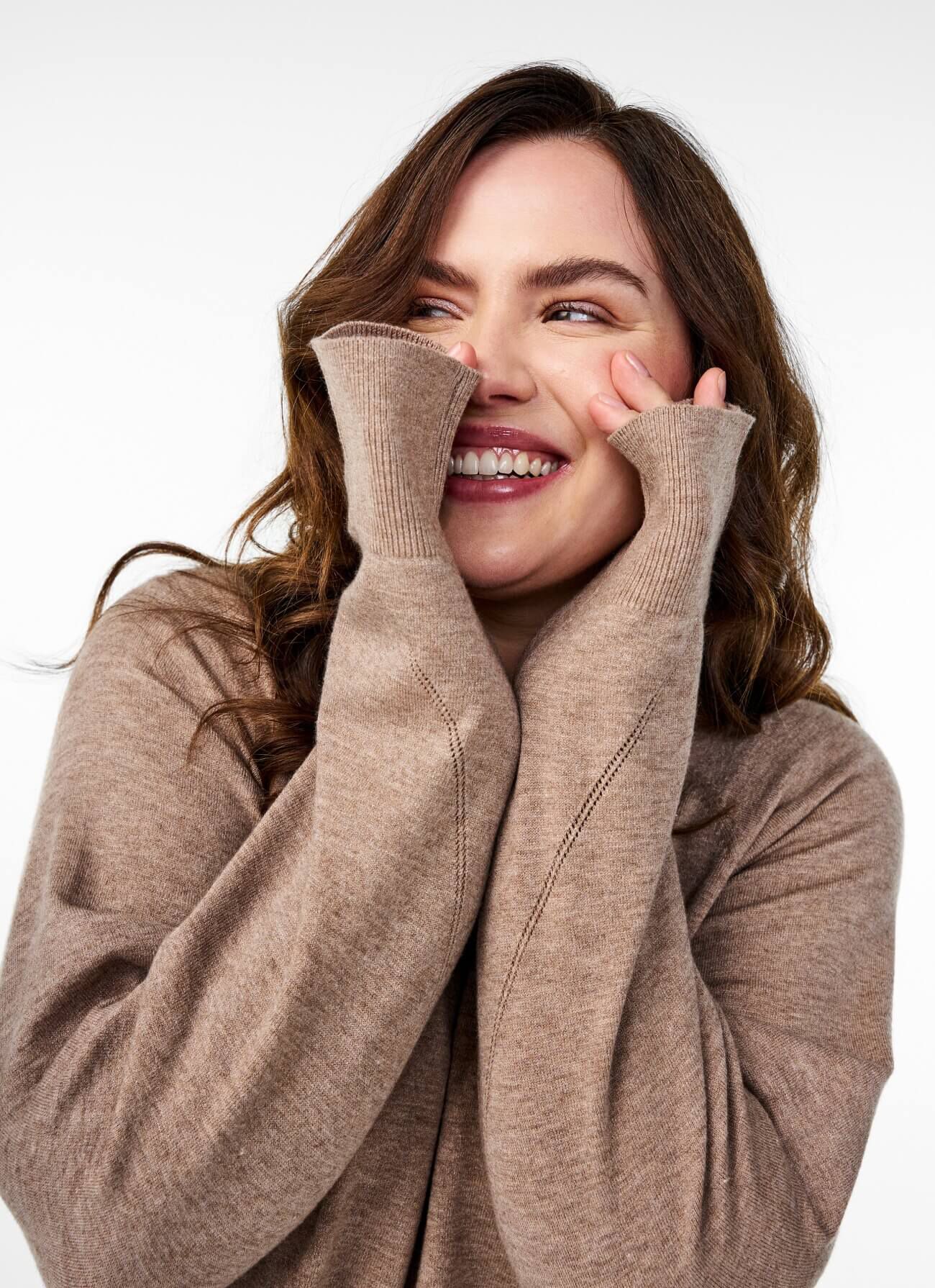
Hand wash, the safe choice for delicate knitwear
If you're unsure whether your knitwear can withstand machine washing, hand washing is the gentlest option:
- Fill a basin with lukewarm water
- Add a mild detergent
- Soak the knit in for 10–15 minutes
- Rinse gently in clean water
- Press water out, never wring
How to dry knitwear correctly
When wet, knitwear is heavy and delicate. Hence, it should never be dried in a tumble dryer or hung on a hanger.
Instead, we recommend:
- Gently press water out
- Lay the knitwear on a towel
- Roll the towel and press out the water
- Lay the knitwear flat on a dry towel to maintain its shape and structure as it dries.
Specifics about different types of knitwear
• Wool
Wool has natural self-cleaning properties and rarely needs to be washed. Often, airing wool knitwear in fresh air is sufficient, as odours do not cling to the fibres. When washing is necessary, it should be done gently and always according to the washing instructions, as wool can shrink and felt if mistreated.
• Cotton knitwear
Cotton knitwear is more robust than many other types and usually withstands machine washing. However, it can shrink at high temperatures and lose shape with vigorous spinning. Wash at low temperatures and gently shape the knit while it’s damp.
• Alpaca
Alpaca is a soft and light natural fibre, similar to wool but often perceived as less scratchy. The fibres are fine and delicate, making alpaca knitwear particularly sensitive to friction, heat, and twisting. Airing is recommended over frequent washing, and any wash should be done very gently following the washing instructions.
• Mohair
Mohair is known for its light, airy texture and distinctive fluffy surface. The material is delicate and can easily lose its appearance with improper washing. Avoid unnecessary washing and rubbing, and handle mohair knitwear carefully to preserve its volume and softness.
• Linen
Linen knitwear is breathable and light, but the fibres are less elastic than wool and cotton. This means the knit can feel firmer and has a greater tendency to wrinkle. Linen generally withstands washing, but it should be washed gently and shaped carefully while damp to maintain its fit.
More articles
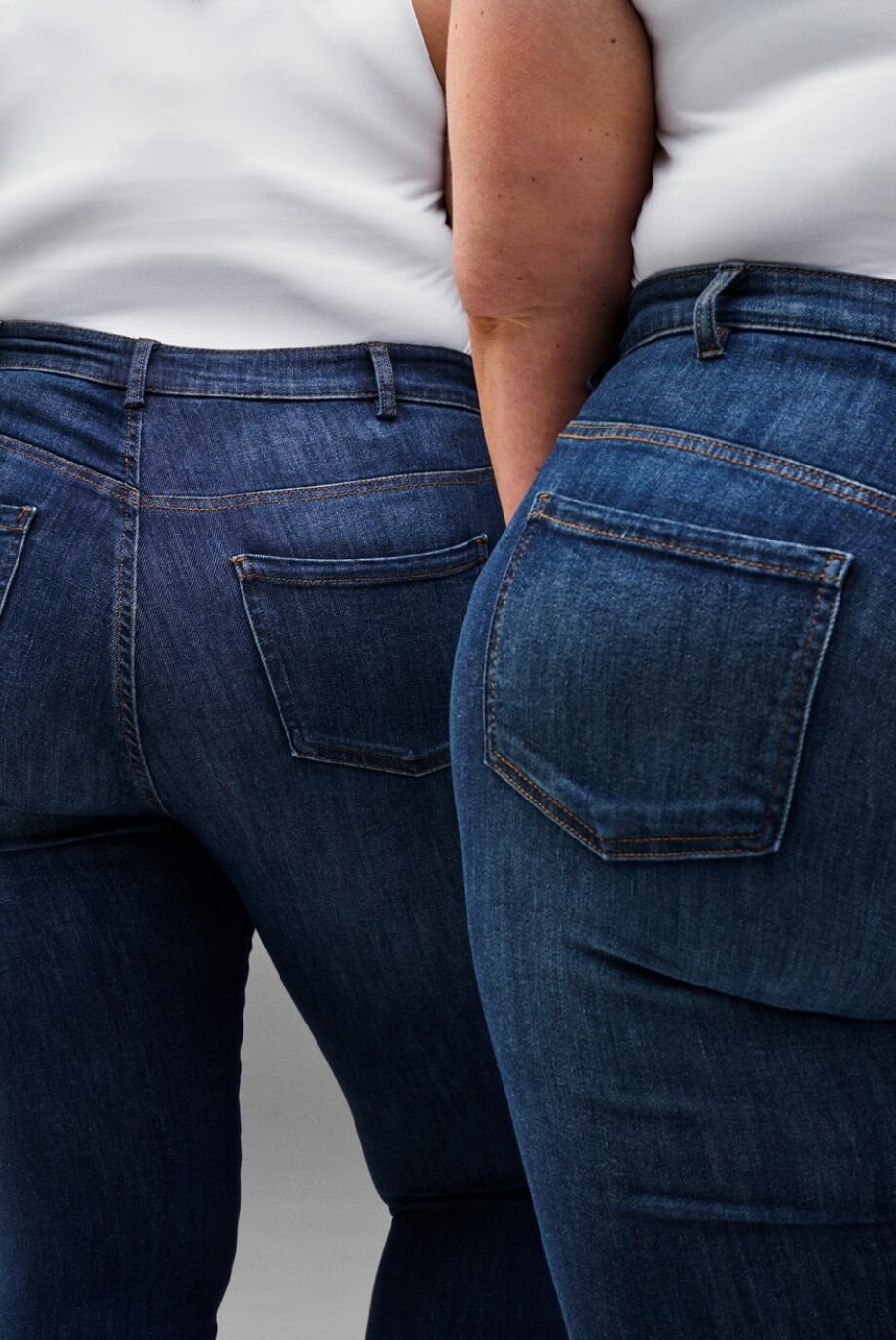
1 pair of jeans - 3 body shapes
The perfect jeans - not an easy find, right? Here are our best plus size slim fit jeans - for 3 different body shapes.

Zizzi’s first influencer collection
Get invited into Cecilie Schmeichel's colorful universe and learn more about the thoughts behind Zizzi's first influencer collection.

How should a bra fit?
Make the most of your bra by ensuring it fits correctly. Also, learn about 9 signs that indicate an ill-fitting bra.